Thinking about trading intown Atlanta energy for more space, a different commute, and a suburban pace in Roswell? It can be a smart move, but it helps to know that Roswell does not live like a simple extension of Atlanta. If you are weighing lifestyle, housing, schools, and day-to-day logistics, this guide will help you understand what actually changes when you move north. Let’s dive in.
What Feels Different in Roswell
If you are coming from intown Atlanta, one of the first differences you may notice is how Roswell functions as a more owner-occupied, suburban market. Census QuickFacts estimates Roswell’s 2024 population at 92,227, with a 71.9% owner-occupied housing rate and a median owner-occupied home value of $567,100 for 2020 through 2024. By comparison, Atlanta city’s median owner-occupied home value was $439,600.
In practical terms, that often means you will evaluate Roswell by neighborhood, subdivision, and corridor instead of by a tight urban grid. The feel can shift meaningfully from one part of the city to another. That is why a relocation search here usually works best when you get specific early.
Commute Planning Matters More Than Mileage
A Roswell move is not just about how far you are from Atlanta on a map. The city says its roadway network is overburdened and congested, and Holcomb Bridge Road carries more than 70,000 vehicles per day. That makes commute planning more about direction, timing, and route choices than simple mileage.
If you still need regular access to Atlanta, test your likely drive in real conditions. A route that looks manageable at noon may feel very different during a weekday morning or evening rush. This is especially true if your routine depends on Holcomb Bridge Road, SR 400 access, or cross-town travel inside Roswell.
Transit in Roswell
Roswell’s transit is bus-based rather than rail-based within the city. The city lists three MARTA bus routes, 85, 185, and 142, that connect to North Springs rail and the Mansell Road Park-and-Ride.
The city also notes weekday peak headways of 30 minutes, off-peak headways of 40 minutes, and daily service running roughly from 5:00 a.m. to 1:00 a.m. The nearest Park-and-Ride has 418 spaces. If you are used to living close to rail in Atlanta, that is an important lifestyle shift to factor in.
Future Road Improvements
GDOT’s SR 400 Express Lanes project is in development from North Springs MARTA Station to McFarland Parkway. According to the project fact sheet, construction is expected to begin in 2026, with service projected for 2031. GDOT expects peak-period travel on the express lanes to be up to 30% faster than general-purpose lanes.
That may matter long term, but it is not an immediate solution for today’s commute. If you are moving soon, base your decision on current traffic patterns, not future corridor improvements.
Roswell Housing Has a Strong Sense of Place
Roswell’s housing stock is shaped in part by preservation and long-range planning. The city’s Historic Preservation Commission reviews projects in the 640-acre Roswell Historic District, and Roswell has both a Historic District Master Plan and a citywide Unified Development Code with design guidelines.
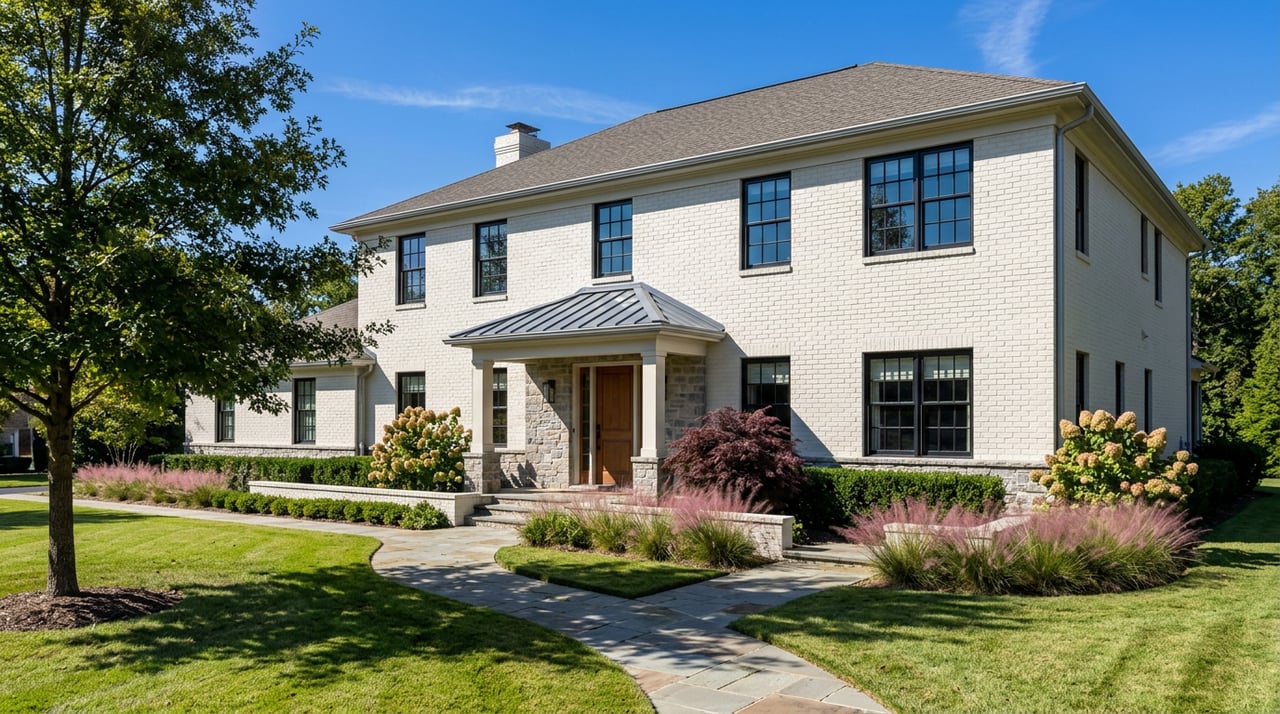
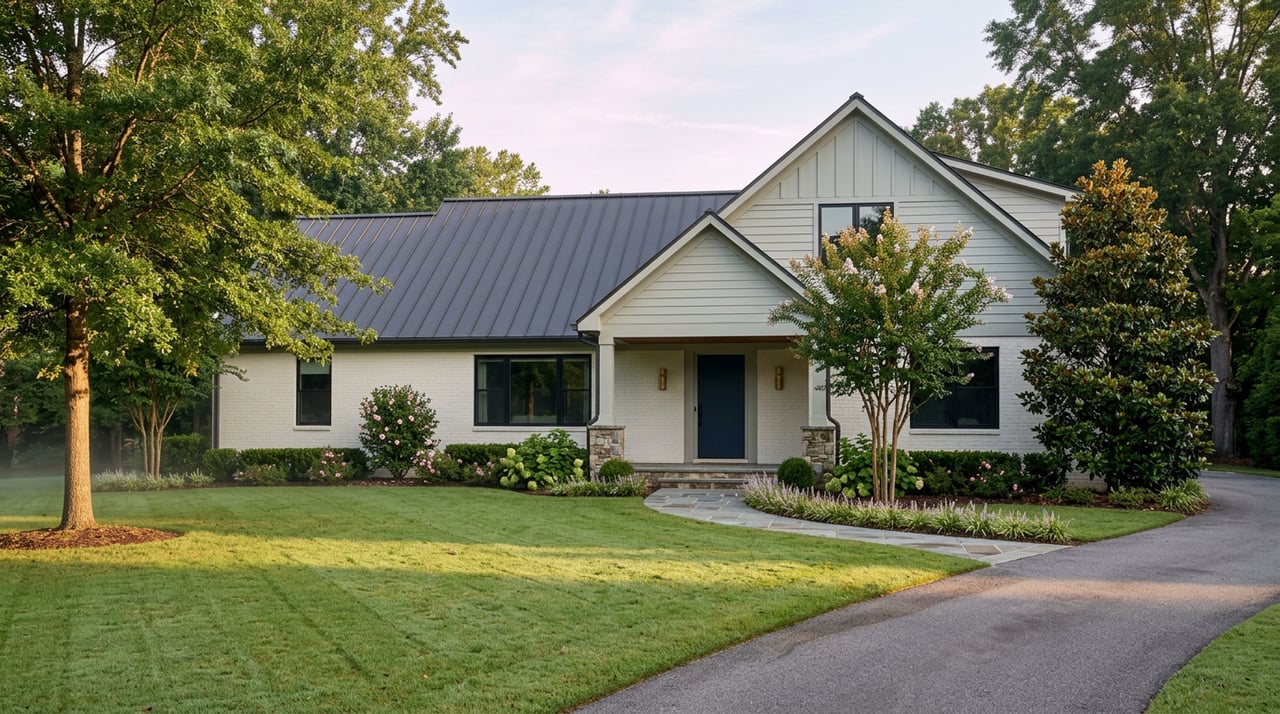
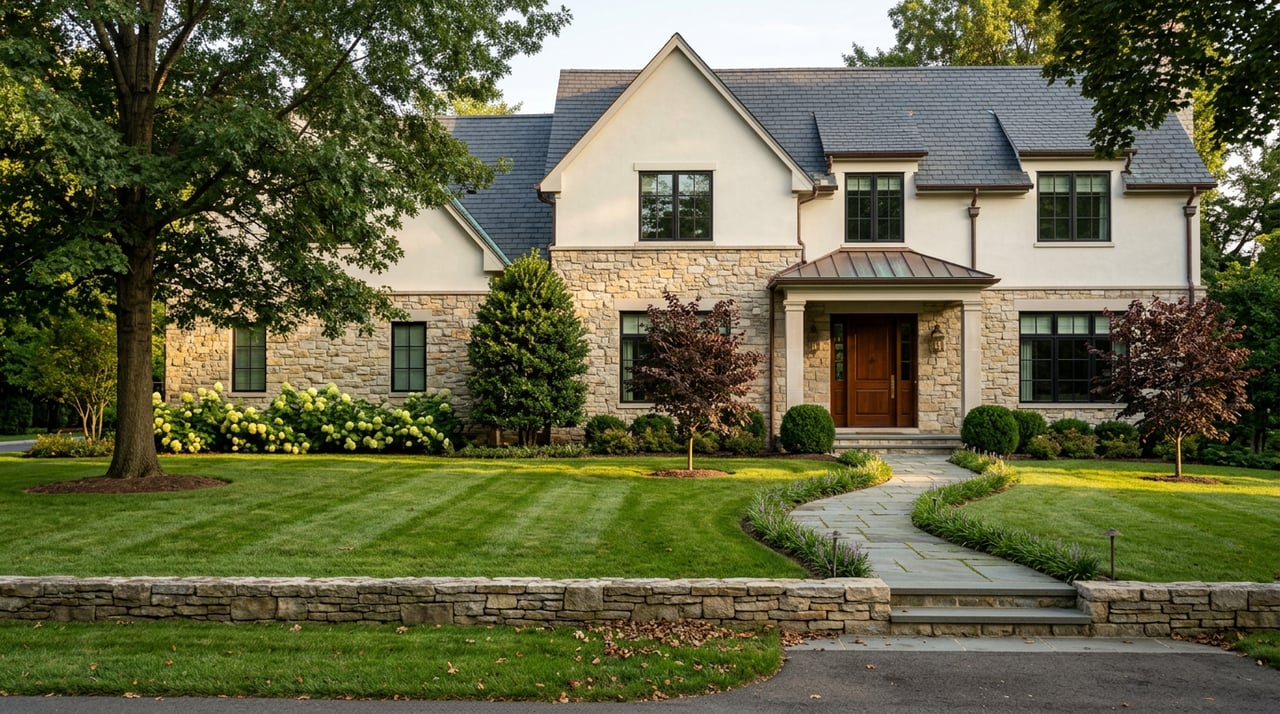
For you as a buyer, that can translate into a real split in housing character. Near the historic core, you may find older homes and areas with preservation-focused oversight. In other parts of Roswell, you may see more contemporary homes, newer updates, and a different neighborhood layout.
Historic Core vs Other Areas
Roswell’s historic identity is backed by city-owned landmarks like Barrington Hall, Bulloch Hall, and Smith Plantation. The Town Square and Atlanta Street corridor also remains a focus of design and transportation improvements while continuing to hold many of the city’s historic resources.
That does not mean every Roswell home comes with historic review considerations. It does mean that if you are drawn to older homes or central Roswell locations, you should understand that design expectations may be more structured than in some intown Atlanta areas.
Change Is Managed, Not Random
Roswell’s Comprehensive Growth Plan 2045 is intended to protect the existing character of established neighborhoods while identifying infrastructure priorities. For buyers, that is a useful signal. Roswell is a place where change is managed through planning rather than left entirely to one-off redevelopment.
If you are moving from an area where block-by-block change can happen quickly, that difference may appeal to you. It can also affect how you think about renovation, teardown potential, and future neighborhood feel.
School Zones Are Address-Specific
If schools are part of your move, this is one of the biggest practical differences to understand early. Roswell buyers are typically looking at Fulton County Schools, not Atlanta Public Schools. Fulton County Schools says attendance zones are address-based and requires two proofs of residency at enrollment and when an address changes.
That means school zoning should be part of your home search due diligence before you narrow your list too far. In Roswell, the exact property matters as much as the city name.
What to Verify Before You Buy
Roswell is part of Fulton County Schools Learning Zone 5. That zone includes Roswell High School and Centennial High School, middle schools such as Crabapple, Elkins Pointe, Haynes Bridge, and Holcomb Bridge, and elementary schools such as Roswell North, Vickery Mill, Hillside, Hembree Springs, Mimosa, and Esther Jackson.
Even so, the safest move is to verify the specific address in the district’s attendance-zone map before you go under contract. Fulton County Schools also notes that redistricting can happen over time, and out-of-zone transfers are handled separately. If school assignment matters to your decision, confirm it directly before making assumptions.
Weekend Life in Roswell Looks Different
One of Roswell’s clearest lifestyle differences is how much local life revolves around parks, trails, civic events, and neighborhood-scale gathering places. The city maintains more than 900 acres of parkland, 19 parks, and an extensive trail system. It also hosts programs like Alive in Roswell and Riverside Sounds.
For someone coming from intown Atlanta, that often feels like a shift from dense entertainment districts to a more local, outdoor, and event-based rhythm. You may spend less time deciding between dozens of nearby urban options and more time building routines around favorite community spots.
Canton Street and Local Events
Alive in Roswell is a good example of the city’s social rhythm. The city describes it as a free monthly festival held every third Thursday evening from April through October on Historic Canton Street and the Roswell Antique and Interiors Lot.
That gives you a real sense of how people experience the city. Dining, walkable local events, and recurring community programming play a large role in everyday life here.
Outdoor Access Is a Major Draw
Roswell also has strong access to the Chattahoochee River National Recreation Area, which runs along a 48-mile corridor. In 2026, the National Park Service authorized trail, bridge, and parking access improvements in the Roswell Gateway and Vickery Creek unit tied to Roswell and GDOT projects.
If being close to trails, river access, and outdoor recreation is part of your move, Roswell stands out. This is not just a scenic backdrop. It is part of the city’s identity and daily lifestyle.
Due Diligence Items You Should Check Early
A move from intown Atlanta to Roswell often comes with a different due diligence checklist. Some items that feel less urgent in a denser urban search can become very important here. The earlier you check them, the fewer surprises you may face under contract.
Floodplain Exposure
Roswell says about 10% of the city is in or near a 100-year floodplain, and its floodplain page notes that flood hazard areas are subject to periodic inundation. If you are considering a river-adjacent or creek-adjacent property, pull flood maps and insurance quotes early.
This is the kind of detail that can affect both comfort level and monthly cost. It is much better to review it before your inspection period is almost over.
Utilities and Renovation Plans
Drinking water service in Roswell may come from either Roswell Water Utility or Fulton County, depending on the property location. Roswell Water Utility serves about 5,900 metered customers in downtown Roswell and surrounding areas, while Fulton County serves the rest of the city.
If you are planning updates right after closing, also remember that Roswell’s Building Division enforces state building codes and inspects residential structures that are built or remodeled. Before buying a home for a quick refresh, it is wise to confirm what your likely permit path and timeline could look like.
Historic Review Considerations
If the home is in or near the historic district, do not assume every exterior change will move quickly. The Historic Preservation Commission reviews design in the historic district, and citywide development guidelines also apply.
If your plan is to paint, expand, add, or reconfigure soon after closing, verify review requirements before you finalize the purchase. That step can help you align your budget and timeline with local rules.
How to Tour Roswell Efficiently
If you only see Roswell on one easy Saturday afternoon, you may miss what daily life actually feels like. Because the city describes its road network as congested, and key corridors can perform differently by time of day, it helps to tour with intention.
A smart relocation tour usually includes three separate experiences:
- A weekday drive during your likely commute window
- A weekend evening visit near Canton Street
- A daylight walk near trails, parks, or river access
That mix gives you a fuller picture of how Roswell functions beyond listing photos. It can also help you decide whether you want a more historic setting, a more suburban subdivision feel, or easier access to a specific corridor.
A Practical Way to Make the Move
Moving to Roswell from intown Atlanta is less about choosing “city versus suburb” and more about choosing a different daily pattern. You may gain more space, more neighborhood structure, and stronger access to parks and trails. At the same time, you will want to be more intentional about commute testing, school-zone verification, floodplain review, and any renovation plans.
If you approach the move with good local guidance and a clear sense of your priorities, Roswell can offer a very livable balance of access, character, and community rhythm. When you are ready to compare neighborhoods, tour strategically, or plan your relocation timeline, Rhonda Shell Real Estate can help you make your move with confidence.
FAQs
What is the biggest difference between intown Atlanta and Roswell?
- Roswell generally feels more suburban and more owner-occupied, with home searches often focused on neighborhoods and subdivisions rather than a dense block-by-block urban layout.
How should you evaluate a Roswell commute to Atlanta?
- Focus on corridor, direction, and departure time, not just mileage, because Roswell’s roadway network is described by the city as congested and heavily traveled.
Does Roswell have MARTA rail service inside the city?
- No. Roswell’s transit options are bus-based within the city, with MARTA bus routes connecting riders to North Springs rail and the Mansell Road Park-and-Ride.
Why do school zones matter when buying a home in Roswell?
- Fulton County Schools uses address-based attendance zones, so the exact property can affect school assignment and should be verified before going under contract.
Should you check flood risk when buying a home in Roswell?
- Yes. The city says about 10% of Roswell is in or near a 100-year floodplain, so flood maps and insurance quotes are worth reviewing early, especially for river- or creek-adjacent homes.
What should you know about renovating a home in Roswell?
- If you plan to remodel soon after closing, confirm permit and review requirements early, especially if the property is in or near the historic district where design review may apply.