If you think selling in Sandy Springs is just a matter of putting a sign in the yard and waiting for offers, this market may surprise you. Buyers still want well-located, well-presented homes, but spring 2026 data points to a balanced to somewhat competitive market where pricing and presentation matter from day one. If you want to protect your equity and avoid a stale listing, the right plan can make a real difference. Let’s dive in.
Why pricing matters in Sandy Springs
Sandy Springs offers a lot that buyers value, including access to I-285, GA 400, nearby I-75, MARTA rail stations in the Central Perimeter area, and major employment centers in Perimeter Center. The city also brings lifestyle appeal with more than 950 acres of parkland and 22 miles of Chattahoochee River shoreline. That mix of convenience and amenities keeps buyer interest steady, but it does not mean every home will command the same response.
Current market data suggests sellers should expect a thoughtful, numbers-driven market instead of automatic bidding wars. Redfin reports a three-month median sale price of $699,639, 41 median days on market, and a 98.1% sale-to-list ratio. Realtor.com shows a $590,000 median list price, 45 median days on market, roughly 590 homes for sale, and a 99% sale-to-list ratio.
Those figures vary by source, but they point to the same takeaway. Sandy Springs is not a market where you can simply price high and assume buyers will stretch. Redfin also notes that homes average about 2% below list price, 23.0% sold above list price, and 27.2% had price drops during the measured period.
Price from local comps, not city averages
One of the biggest pricing mistakes sellers make is relying on broad citywide averages. In Sandy Springs, that can lead you off course because values vary widely by neighborhood and property type. Realtor.com neighborhood snapshots show median list prices around $266,000 in North Springs, $360,000 in Perimeter Center, and $1.422 million in Riverside.
That spread is a strong reminder that your home should be priced against very local comparable sales. Lot size, age, renovation level, and micro-location all matter. Access to commuter routes, parks, and other local features can also influence how buyers compare your property to nearby alternatives.
For most sellers, pricing works best as a launch decision, not a correction later. In a market with 41 to 45 median days on market and sale-to-list ratios near 98% to 99%, an accurate opening price is more likely to create early momentum than an aspirational list price that needs a reduction after a few weeks. That is especially important if you want strong showing activity while your listing is still fresh.
How to prepare your home before listing
You do not always need a major renovation to improve your sale outcome. In many cases, the strongest pre-list projects are cosmetic and presentation-focused. That is good news if you want to make smart updates without over-improving the home.
According to the 2025 Remodeling Impact Report from NAR, agents most often recommended painting the entire home, painting one room, and replacing roofing before a sale. The same report found strong cost recovery for a new steel front door, closet renovation, and a new fiberglass front door.
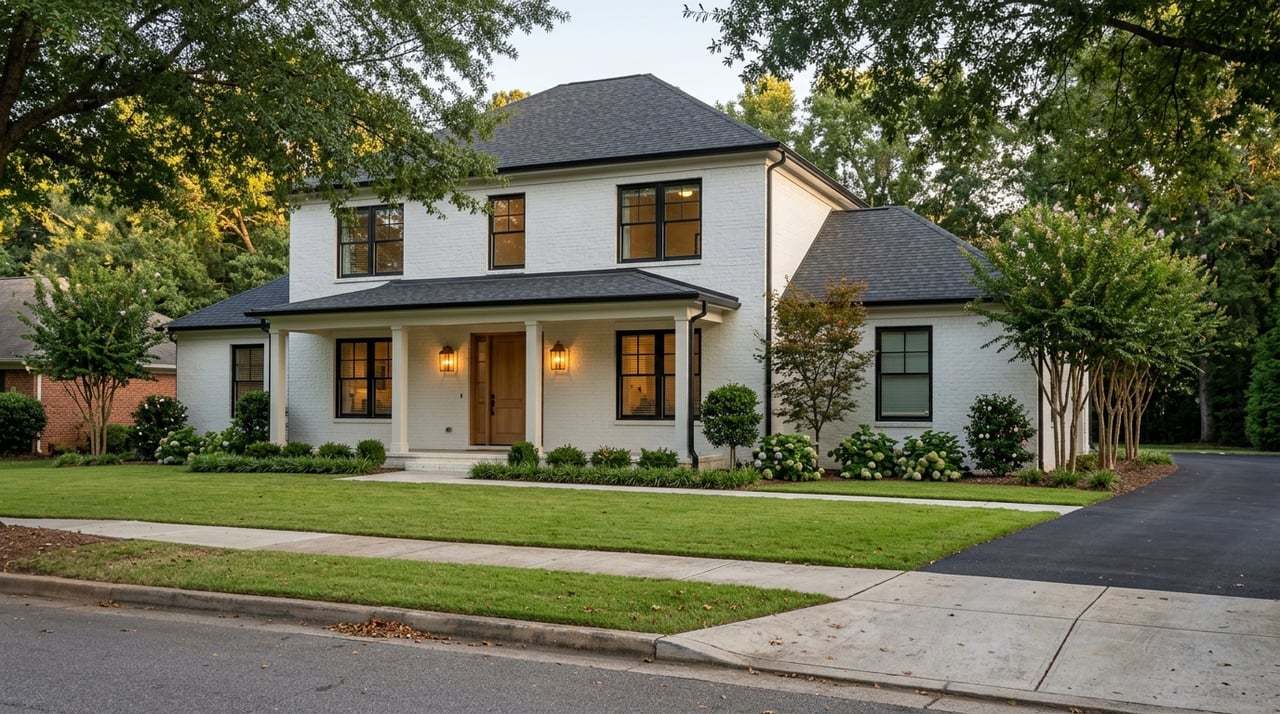
That does not mean every seller should start replacing big-ticket items. It means you should focus first on changes that improve first impressions, function, and buyer confidence. In Sandy Springs, where buyers may compare homes across a broad price range and condition level, clean presentation often carries more weight than expensive projects that are hard to see.
Start with the high-impact basics
If you want a practical place to begin, focus on the prep steps agents recommend most often:
- Declutter throughout the home
- Clean the entire home thoroughly
- Improve curb appeal
- Refresh paint where needed
- Address obvious deferred maintenance
- Organize closets and storage spaces
These steps may sound simple, but they directly affect how buyers experience the home. A cleaner, lighter, more organized property feels better maintained and easier to move into. That can shape both showing feedback and offer strength.
Use staging strategically
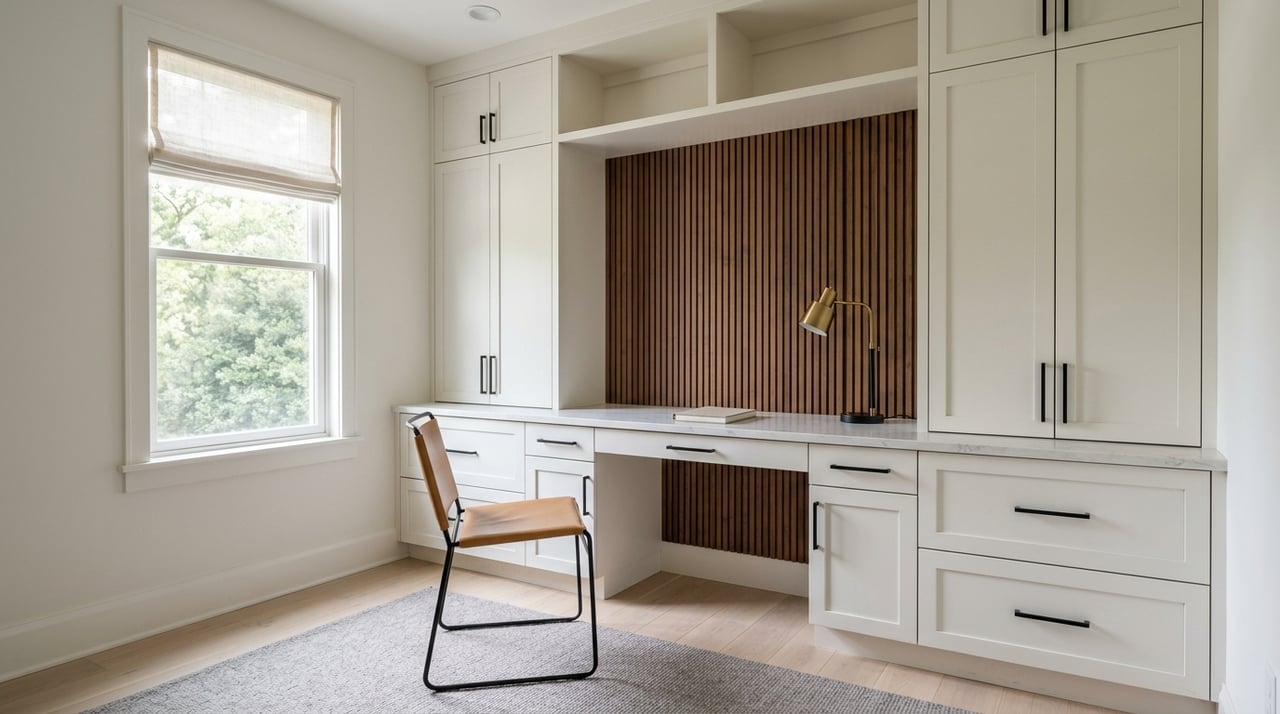
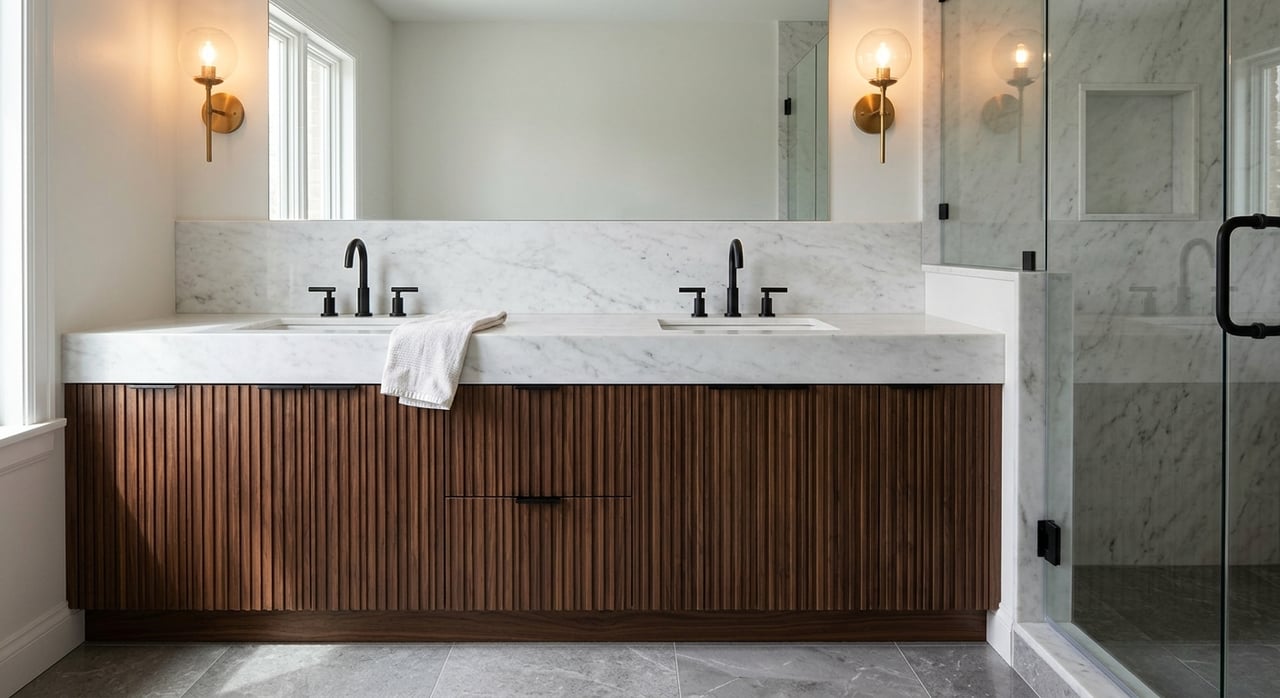
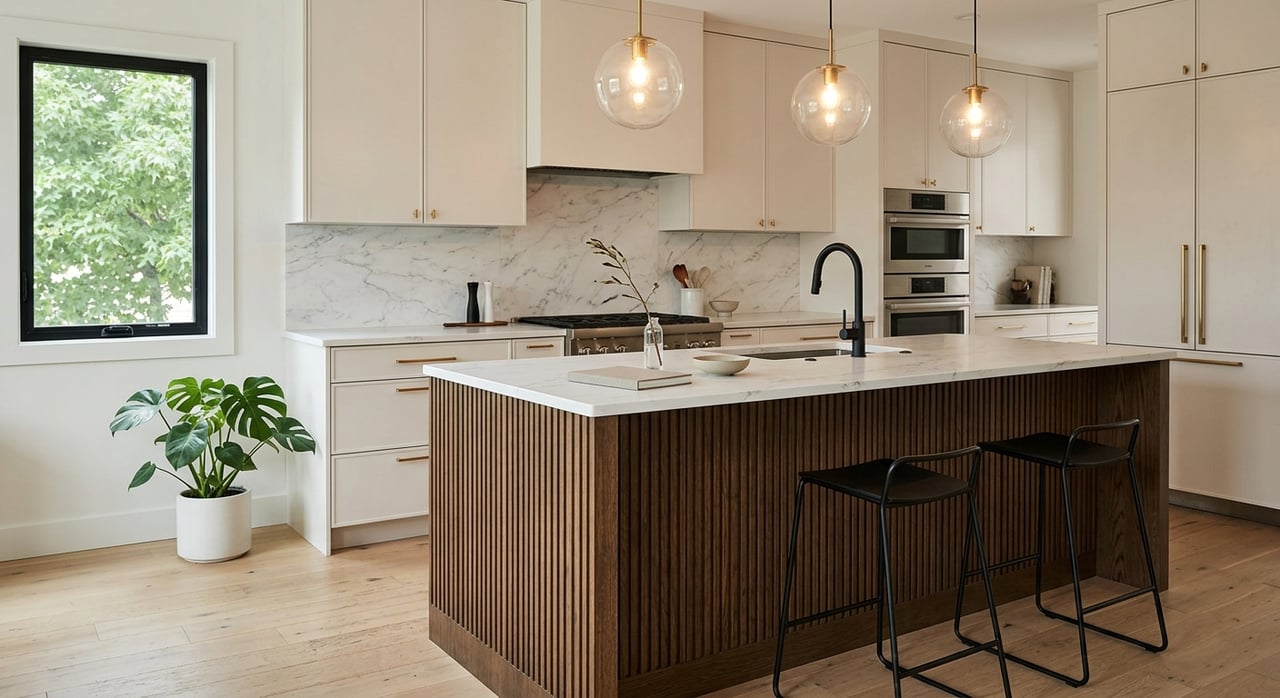
Staging remains one of the most useful tools for sellers, especially in the living room, primary bedroom, dining room, and kitchen. NAR’s 2025 Profile of Home Staging found that 83% of buyers’ agents said staging made it easier for buyers to visualize the property as a future home. The same survey found that 29% of agents said staging increased the dollar value offered by 1% to 10%.
For sellers weighing cost versus benefit, NAR reported a median cost of $1,500 when sellers used a professional staging service. That does not mean every home needs full staging, but it does show why thoughtful presentation is often worth considering. A boutique, high-touch listing approach can help you decide where to invest and where to keep it simple.
Watch permits and disclosures carefully
If your pre-list work goes beyond paint, cleaning, or flooring, local permit rules matter. Sandy Springs states that cosmetic work such as painting and flooring generally does not require a permit. However, HVAC, electrical, plumbing, structural work, deck or patio replacements, generator installations, and many exterior projects do require permits and inspections.
For sellers, this has a practical impact. If you completed visible or value-related repairs or improvements, it helps to have documentation ready before listing. Buyers may ask about the work, and having records can support confidence during due diligence.
Georgia seller disclosure materials also point to the same need for accuracy and preparation. Sellers are asked about structural changes, permits, code or zoning issues, roof age and leaks, flooding or drainage concerns, plumbing or septic issues, and lead-based paint for pre-1978 homes. Even if a home is sold as-is, the expectation is that sellers answer fully and accurately to the best of their actual knowledge.
Special note for river-adjacent homes
If your home is near the Chattahoochee or in a lower-lying area, flood-related details may deserve extra attention. Sandy Springs says the Chattahoochee River corridor extends 2,000 feet from the riverbank and is subject to Metropolitan River Protection Act requirements in that area. Redfin’s climate-risk data also indicates Sandy Springs has a moderate flood risk, with 14% of properties at risk of severe flooding over 30 years.
This will not apply to every listing, but it is important where relevant. If your property has location-specific factors tied to river corridor rules, drainage, or flood exposure, addressing them early can help reduce surprises later.
Market your home for day-one impact
Once pricing and prep are in place, your launch strategy matters. In the current Sandy Springs market, a strong first impression can help you capture the most serious buyers before your listing starts to age. That is why media quality should be part of the plan, not an afterthought.
NAR’s staging research supports a media-heavy approach. Buyer agents said photos were important in 73% of cases, traditional physical staging in 57%, videos in 48%, and virtual tours in 43%. For a typical single-family home, that supports professional photography, strong staging, and at least one high-quality video or virtual walkthrough.
Tell the right Sandy Springs story
Your marketing should do more than list square footage and bedroom count. It should help buyers understand how the home fits into the Sandy Springs lifestyle. Depending on the property, that may include access to major commuter routes, MARTA connectivity, proximity to Perimeter Center employment, nearby parks, or Chattahoochee access.
This kind of messaging matters because buyers are not just comparing homes. They are also comparing convenience, daily routine, and neighborhood context. A well-crafted listing shows how your property fits what buyers already value about Sandy Springs.
Reach both local and relocation buyers
Buyer attention in Sandy Springs comes from more than one direction. Redfin’s search-based migration data shows that 72% of Sandy Springs homebuyers searched within the metro area, while 2% searched from outside metros, including New York, Los Angeles, and Washington among the strongest inbound search origins.
That suggests a smart marketing plan should do two things at once. First, it should target local move-up and area buyers who already know Sandy Springs. Second, it should present the home clearly for relocation-minded buyers who may be comparing North Fulton options from a distance.
What sellers should do first
If you are planning to sell, the best next step is to create a launch plan before you pick a list price. That means looking at neighborhood-level comps, identifying a short list of updates that truly matter, and preparing your home for photos and showings before it hits the market. In a market where price reductions are common enough to notice, early discipline can save time and protect leverage.
A strong Sandy Springs sale often comes down to four things working together:
- Disciplined pricing based on local comps
- Selective pre-list updates
- Careful staging and presentation
- Professional photography and video at launch
That combination will not guarantee a specific price or timeline, but current market data strongly supports it as the most effective path for many sellers. If you want calm guidance, detailed planning, and high-impact marketing tailored to your home, Rhonda Shell Real Estate can help you build a smart strategy from the start.
FAQs
How should you price a home in Sandy Springs, GA?
- You should price your home using very local comparable sales rather than citywide averages, because Sandy Springs has a wide range of values by neighborhood, condition, and micro-location.
What home improvements matter most before selling in Sandy Springs?
- The most useful pre-listing improvements are often decluttering, deep cleaning, curb appeal work, paint touch-ups, and other cosmetic updates that improve presentation without over-improving the home.
Does staging help when selling a Sandy Springs home?
- Yes. Industry data shows staging helps buyers visualize the home more easily, and some agents report it can improve the dollar value offered.
Do you need permits for home repairs before listing in Sandy Springs?
- Cosmetic work like painting and flooring generally does not require a permit, but HVAC, plumbing, electrical, structural, deck, patio, generator, and many exterior projects may require permits and inspections.
What should sellers disclose when listing a home in Georgia?
- Georgia disclosure materials ask sellers to answer accurately about known issues such as structural changes, permits, roof leaks or age, drainage or flooding concerns, plumbing or septic issues, and lead-based paint in pre-1978 homes.
What kind of marketing works best for Sandy Springs listings?
- A strong launch usually includes professional photography, strategic staging, and video or virtual tour content, along with marketing that highlights local lifestyle and commuter advantages where relevant to the property.