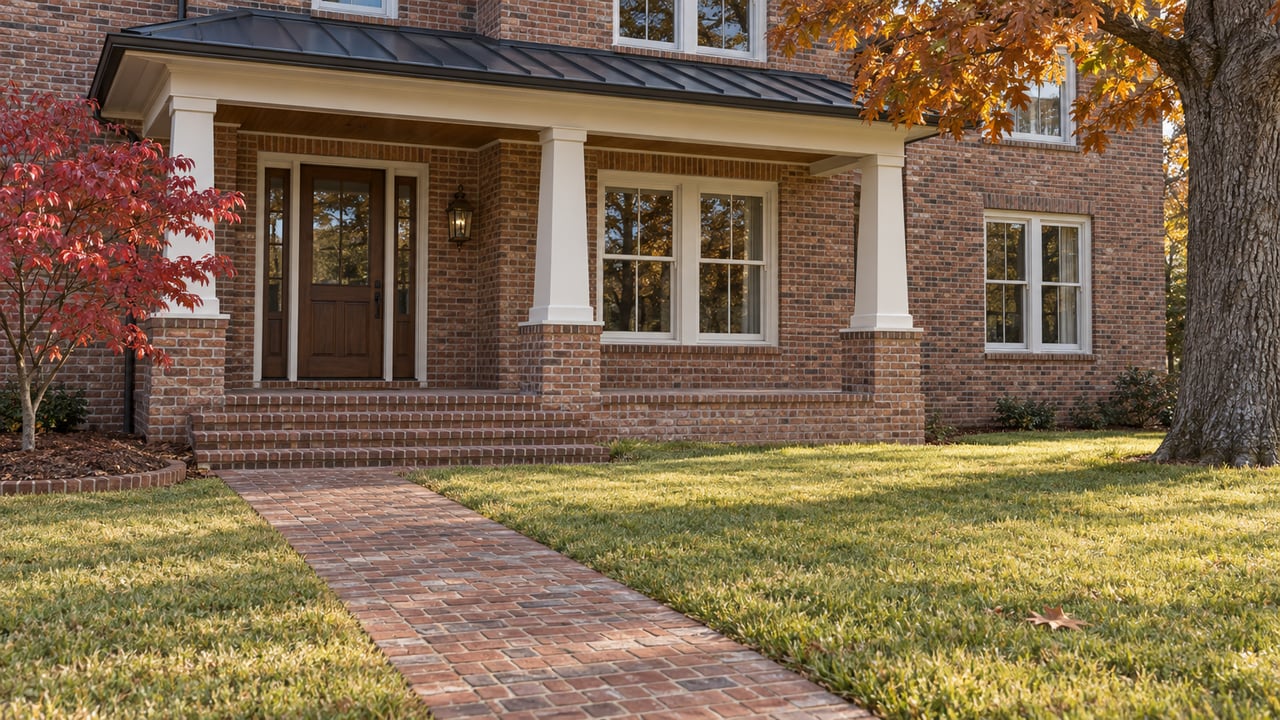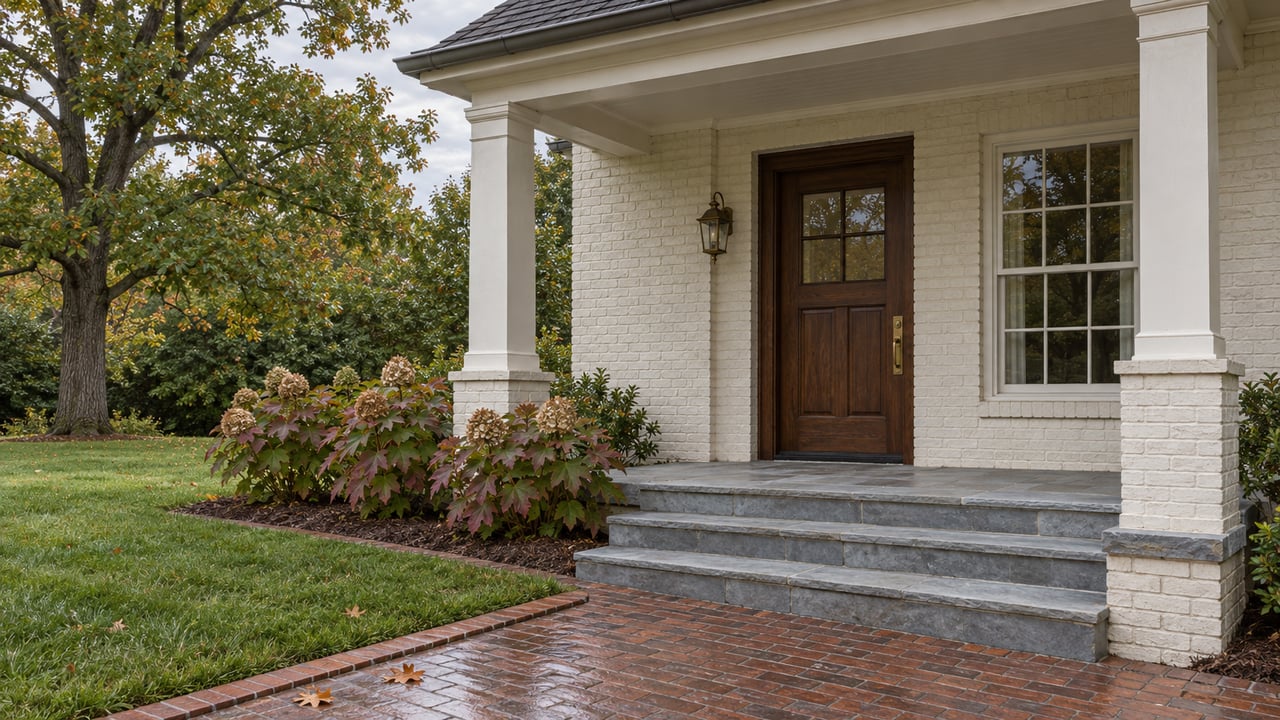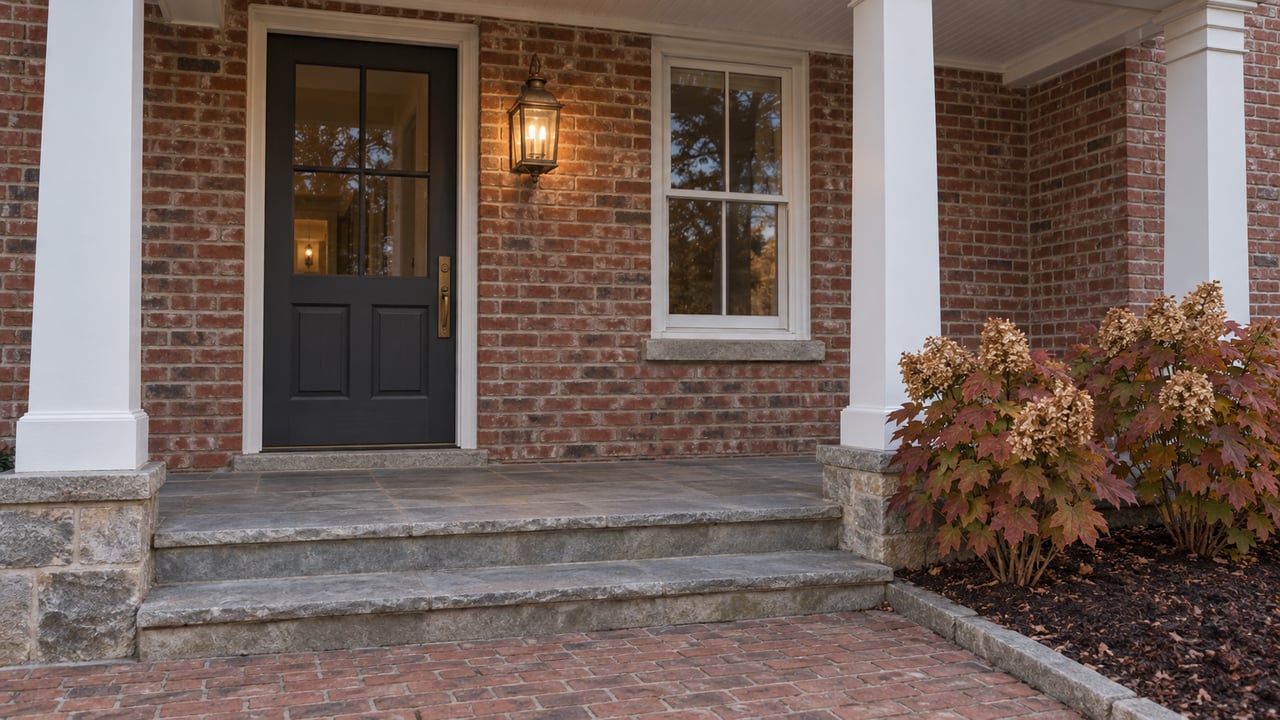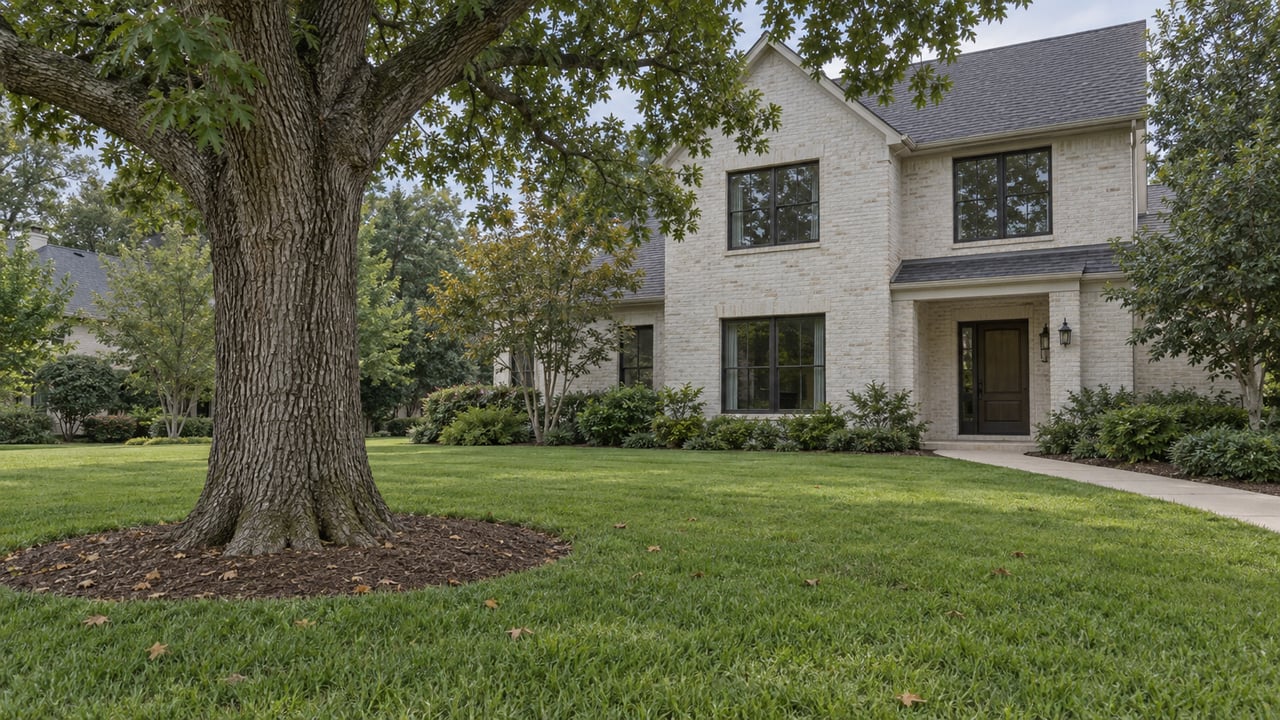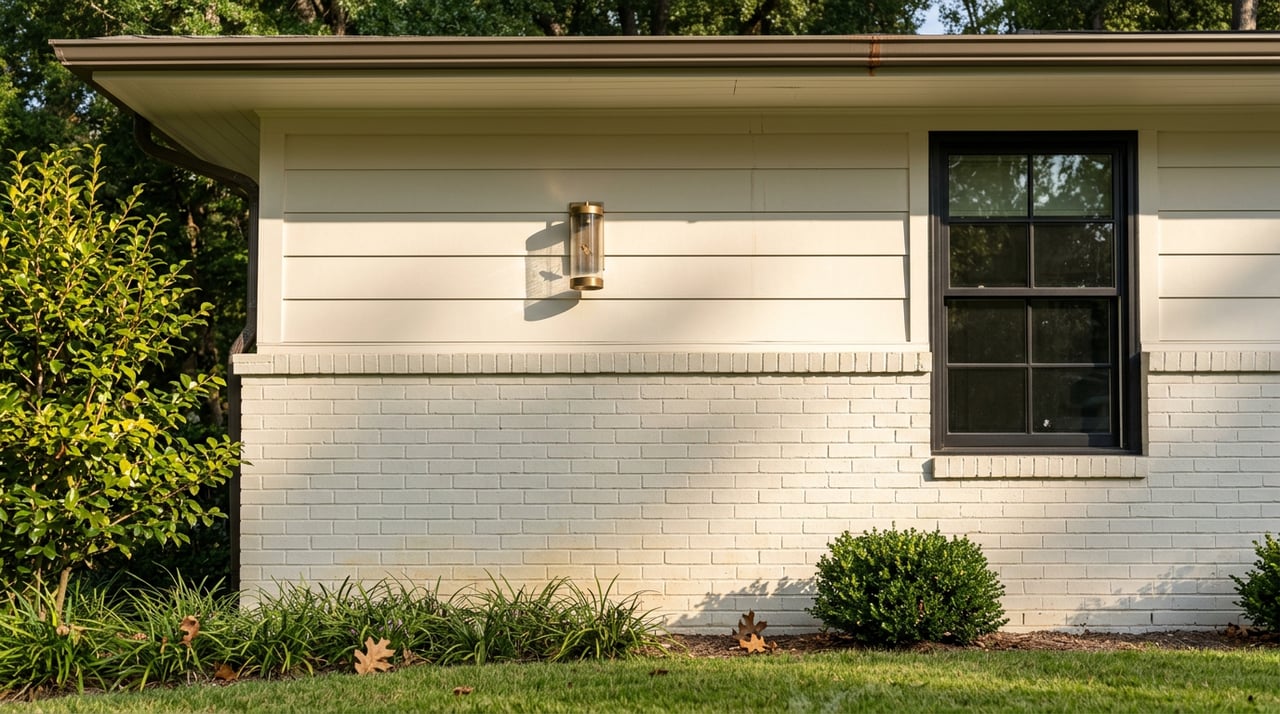
A seller in Historic Roswell called her agent with what she thought was good news: she'd already primed the exterior brick for a fresh coat before listing, and she was ready to swap the tired storm door for something with more curb presence. She assumed the paint needed a permit. She assumed the door didn't. She had it backward.
That mix-up is common inside Roswell's 640-acre Historic District, the walkable core built around Canton Street, Mimosa Boulevard, and the mill and river corridor that earned National Register of Historic Places recognition in 1974. Sellers here often overcorrect in one direction or the other. Some assume every exterior touch needs a city sign-off and skip cosmetic work that would have helped their listing photos. Others assume nothing needs review and start a renovation that stalls the week before showings begin. Both mistakes come from the same wrong model of how the Historic Preservation Commission actually works.
If you're prepping a Historic Roswell home for market, the timeline math isn't about how fast your contractor can move. It's about how the city's review calendar interacts with your list date, and which of your planned updates even touch that calendar at all.
What the District Actually Covers
When people say "Historic Roswell," they usually mean the pocket within walking distance of Canton Street and the Old Mill area along Vickery Creek, anchored by landmarks like Bulloch Hall and Barrington Hall. That's the geography the city's Historic Preservation Commission was built to protect, and it's a citizen board, not city staff. Members are Roswell residents, and a majority are required to have demonstrated background in history or architecture. Their job is design review for any property inside that boundary, and their approval comes in the form of a Certificate of Appropriateness.
That single document is the hinge point for every seller in the district. Get the sequencing wrong, and a two-week curb appeal project turns into a six-week detour that starts before your photographer ever shows up.
The Fix That Doesn't Need a Certificate
Here's the detail most historic-home guides skip because it matters more to sellers than buyers: exterior paint color is explicitly excluded from Historic Preservation Commission review. A 2014 opinion from the Georgia Attorney General's office, issued at the request of Roswell's own city attorney, settled the question directly. The opinion states plainly that the commission
"does not have the authority to regulate alteration of the exterior paint color of a building"
That finding applies specifically within Roswell's historic district boundary.
That's not a loophole. It's baked into how the state's historic preservation law defines a "material change in appearance," and Roswell's ordinance follows that definition. Paint color sits outside it.
For a seller, that's the fastest, least bureaucratic lever available. You can repaint trim, shutters, a front door, or full brick and siding to sharpen curb appeal without waiting on a commission vote. If your pre-listing punch list includes a paint refresh, it can run on your contractor's schedule, not the city's.
The Fixes That Do
Nearly everything else exterior and visible falls under the commission's authority. Roswell's own description of the Historic Preservation Commission's scope covers new construction, any change in the exterior architectural appearance of an existing building, demolition or moving of structures, and changes to what the ordinance calls "external environmental features."
In practical seller terms, that list includes things many people would call routine pre-listing polish:
| Likely to need a Certificate of Appropriateness | Likely exempt |
|---|---|
| Replacing windows or doors with a different style or material | Repainting existing exterior surfaces |
| Swapping siding material or profile | Interior renovations not visible from the exterior |
| Adding a portico, railing, or new porch element | Routine maintenance that doesn't change appearance |
| Building a new structure or moving an existing one | |
| Demolition of any part of a structure |
The pattern is consistent with the state's own definition of "exterior architectural features," which covers the style, general design, and material of a building's exterior, including windows, doors, and signage. If a project changes any of that, it's a commission matter before it's a contractor matter.
Why the Calendar Matters More Than the Crew
This is where the friction actually bites. Filing for a Certificate of Appropriateness isn't a same-day counter transaction. Roswell's Community Development Department requires every applicant to complete a staff orientation before the application can even be submitted. That orientation has to happen first. Only after it's done can the paperwork go in, and only after the paperwork is complete does it land on a commission agenda.
The commission itself meets once a month, not weekly. Its remaining 2026 meeting dates run Wednesday, September 9, Wednesday, October 14, Thursday, November 12, and Wednesday, December 9, each at 6 p.m. in the Council Chambers at 38 Hill Street. Miss the cutoff for one meeting and the next opportunity is roughly four weeks later, sometimes closer to five depending on the month.
Stack the orientation requirement, the application prep, and a single monthly meeting slot, and a project that would take a weekend in most subdivisions can easily consume four to six weeks before a permit is even in hand for the actual construction work. And historic review doesn't replace standard code review. Roswell's building division still enforces the same state building, mechanical, plumbing, and electrical codes it enforces citywide, so a renovation in the district often means clearing two separate approval tracks rather than one.
For context on why that timeline matters here specifically: as of January 2026, Roswell listings were spending an average of about 31 days on the market before going under contract. A four-to-six-week regulatory detour isn't a rounding error against that number. It's longer than the average sale itself. If a seller discovers mid-project that a "simple" window swap needs commission approval, that discovery alone can eat more time than the entire expected marketing period.
Building the Timeline Backward From Your List Date
The sellers who move smoothly through this process work backward from their target list date rather than forward from their to-do list. A reasonable sequence looks like this:
- Walk the exterior scope with your agent before touching anything, and separate paint-only items from anything that changes material, structure, or architectural detail.
- For anything that falls under commission review, request the required staff orientation immediately. This step has to happen before an application can be filed, so it's the true start of your clock.
- Check the current HPC meeting calendar and count backward from your target list date, not forward from today. If your ideal list date is six weeks out and the next meeting is four weeks away, you're already tight.
- Sequence paint and cosmetic work to run in parallel with the review process rather than waiting on it. There's no reason a trim refresh should sit idle while an application works through the commission.
- Ask your seller's agent for any prior Certificates of Appropriateness on the property. A documented approval history helps if a future buyer's lender or appraiser asks what work has already cleared review, and it can shorten the staff orientation conversation if you're proposing something similar to what's already been approved.
None of this requires abandoning ambitious exterior plans. It requires knowing which plans run on your schedule and which ones run on the city's.
A Few Questions That Come Up Often
Does a fence need a Certificate of Appropriateness? A fence changes the site's external environmental features, which falls inside the commission's stated scope. Confirm with staff before installation rather than assuming it's exempt.
What if I'm replacing a roof with the same material? Roofing is part of a building's exterior architectural appearance, and even in-kind replacement can warrant a conversation with the Community Development Department before work starts, particularly if the material or color will differ even slightly from the original.
Does my home count as "Historic Roswell" if it's just close to Canton Street but outside the boundary? Proximity isn't the test. Only properties within the mapped 640-acre district fall under commission jurisdiction. A home five minutes from Canton Street but outside the boundary line follows standard permitting only.
Do interior renovations need approval? No. The commission's authority is tied to exterior appearance and external features. Interior work isn't part of its review, though standard building permits still apply.
The Takeaway for Sellers
The homes that show best in Historic Roswell aren't the ones where an owner tried to do everything before listing. They're the ones where the paint went on early, the structural or material changes got queued for commission review months in advance, and the seller's agent built the marketing timeline around the city's calendar instead of fighting it.
If you're weighing an exterior refresh before listing a home inside Roswell's Historic District, Rhonda Shell Real Estate can help you separate what needs a certificate from what just needs a paintbrush, and build a listing timeline that accounts for both. Request a complimentary market analysis and we'll walk your property's specific scope with you before a single contractor is booked.
This article is general information, not legal, tax or financial advice. Consult a qualified professional about your situation.